
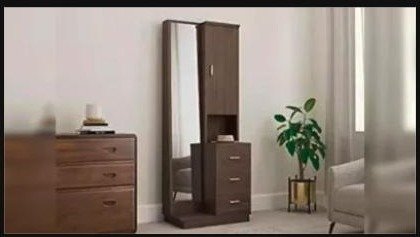
Bedroom lighting usually gets planned last — after the furniture is chosen, sometimes after it's installed — which is backwards, since good lighting is what makes a bedroom feel finished rather than just furnished. Here's how we approach it during a bedroom set consultation.
The Three Layers Every Bedroom Needs
- Ambient (general) lighting: the base layer — usually a ceiling fixture or cove lighting — that lights the whole room evenly.
- Task lighting: focused light for specific activities — reading in bed, applying makeup at a dressing table, seeing clearly inside a wardrobe.
- Accent lighting: smaller, mood-setting light — a warm lamp, LED strip, or wall sconce that adds depth once the sun goes down.
Bedside Lighting
Wall-mounted sconces or pendant lights flanking the bed free up nightstand surface space compared to table lamps, and can be positioned at the ideal reading height regardless of nightstand size. If you prefer lamps, choose a shade that directs light downward for reading rather than spreading it across the whole ceiling and disturbing a partner who's trying to sleep.
Wardrobe and Dressing Table Lighting
- LED strip lighting along the top or inside a wardrobe makes it far easier to actually see and match clothing, especially in windowless or dimly lit rooms.
- A dressing table needs light on the face, not overhead — sconces or LED strips flanking the mirror give more even, flattering light than a single ceiling bulb.
- Motion-sensor wardrobe lighting is a small but genuinely useful addition, switching on automatically when doors open.
Warm vs Cool Light Temperature
For a bedroom, warm white light (around 2700-3000K) generally feels more relaxing and conducive to winding down than the cooler, bluer light (4000K+) better suited to task-focused spaces like a kitchen. If your dressing table doubles as a makeup station, a slightly higher, more neutral temperature there can help colours read more accurately.
Plan your electrical points for bedside sconces and wardrobe LED strips at the same time as your furniture layout — retrofitting wiring after installation is a bigger job than it needs to be.
Dimmers Are Worth It
A dimmable ambient light lets one fixture serve both "getting ready in the morning" and "winding down at night" — two very different lighting needs — without installing separate fixtures for each. It's a relatively small addition at the design stage that adds real day-to-day flexibility.
Frequently Asked Questions
What type of lighting is best for a bedroom?
A layered approach works best — ambient lighting for general use, task lighting for reading or dressing, and accent lighting for mood — rather than relying on a single ceiling fixture.
Should wardrobe lighting be planned during furniture design?
Yes — planning LED strip lighting and electrical points alongside your wardrobe design is much easier than retrofitting wiring after installation.
What light temperature is best for a bedroom?
Warm white light (around 2700–3000K) generally feels more relaxing for a bedroom than the cooler light better suited to task-focused spaces.