
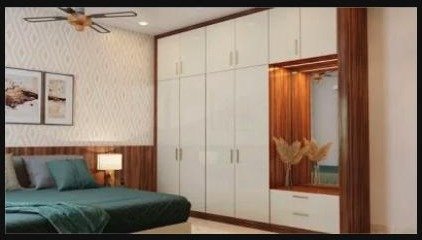
Wardrobe organization content online often shows a perfectly staged interior that lasts exactly as long as the photo shoot. What actually keeps a wardrobe organized a year in comes down to design decisions made before the wardrobe is even built — not willpower after.
Design for How You Actually Get Dressed
Before choosing an interior layout, think honestly about your daily routine: how much is hung versus folded, how many shoes you actually own, whether you fold-and-stack or use drawers. A wardrobe designed around a generic template — rather than your real wardrobe contents — is much harder to keep organized, because nothing has a clear "home."
The Building Blocks of a Well-Organized Interior
- Double hanging rods for shirts and folded trousers roughly doubles usable hanging capacity in the same width.
- A dedicated long-hang section for dresses, coats and sarees, sized correctly so hems don't drag.
- Adjustable shelving that can be reconfigured as your wardrobe changes over the years, rather than fixed shelf heights.
- Drawer dividers for smaller items — the single biggest factor in whether a drawer stays organized or becomes a pile.
Zones That Prevent the Daily Pile-Up
- A designated "in-between" zone — a hook or open shelf for clothes worn once but not yet ready for the wash — prevents the classic chair-pile.
- A pull-out laundry hamper built into the wardrobe base keeps dirty clothes contained without a separate basket taking up floor space.
- Accessible daily-wear sections at eye and arm level; keep seasonal or occasional items on the harder-to-reach top shelves.
Shoes and Accessories
A slanted or tiered shoe rack section fits significantly more pairs than a flat shelf of the same height, and keeps shoes visible instead of stacked and forgotten. For jewellery and accessories, a shallow, felt-lined drawer insert does more for staying organized than any open tray — visibility and a fixed spot for each item are what actually prevent clutter.
Bring us a rough count of what you're actually storing — shirts, trousers, sarees, shoes — during your consultation. We design the interior around your real wardrobe, not a standard template.
The Real Secret: Slight Over-Provisioning
A wardrobe designed for exactly your current amount of clothing gets messy the moment you buy anything new. Building in roughly 15-20% extra capacity across hanging and shelving gives your organization system room to breathe — it's a small design choice that has an outsized effect on staying tidy long-term.
Frequently Asked Questions
What is the most important factor in wardrobe organization?
Designing the interior around your actual clothing — how much you hang versus fold, how many shoes you own — rather than a generic template, so every item has a clear, dedicated spot.
Do double hanging rods really help with wardrobe storage?
Yes — using double rods for shirts and folded trousers roughly doubles usable hanging capacity within the same wardrobe width.
Should I leave extra space when designing my wardrobe?
Yes — building in about 15–20% extra capacity beyond your current wardrobe gives room to grow without the whole system becoming disorganized.